Formal vs Semi-Formal: Dress Codes Explained for the Mother of the Bride

Image source: Pinterest
Weddings are full of joyful moments, emotional speeches, and let’s be honest—plenty of decisions. One that carries more weight than most for the mother of the bride and groom is what to wear. Understanding the difference between formal and semi-formal can be surprisingly tricky. And for such a big day, the outfit matters.
Below, we’ll break down the difference between formal and semi-formal mother of the bride attire, including dress length, fabrics, colors, accessories, venue cues, and etiquette tips.
Formal vs. Semi-Formal at a Glance
|
Detail |
Formal Mother of the Bride Attire |
Semi-Formal Mother of the Bride Attire |
|
Overall feel |
Elegant, refined, elevated |
Polished, graceful, slightly relaxed |
|
Best dress length |
Floor-length preferred; tea-length can work in refined fabrics |
Midi, tea-length, knee-length, or simple full-length styles |
|
Best fabrics |
Satin, chiffon, silk, velvet, taffeta, crepe, lace, jacquard |
Chiffon, crepe, lace, satin blends, georgette, soft mesh |
|
Embellishment |
Beading, sequins, embroidery, draping, lace overlays |
Subtle shimmer, floral details, ruching, soft sleeves, light embroidery |
|
Best venues |
Ballrooms, luxury hotels, country clubs, estates, evening receptions |
Gardens, vineyards, beaches, restaurants, daytime or early evening weddings |
|
Accessories |
Statement jewelry, formal clutch, polished heels or dress flats |
Delicate jewelry, small clutch, wedges, block heels, elegant flats |
|
Best colors |
Navy, emerald, burgundy, champagne, silver, gold, deep jewel tones |
Blush, sage, dusty blue, lavender, champagne, florals, soft neutrals |
|
What to avoid |
Casual fabrics, sundresses, and underdressed shoes |
Heavy ballgowns, overly dramatic trains, excessive sparkle |
Understanding the Formal Dress Code
Formal weddings, sometimes labelled black tie optional or simply black tie on the invitation, are the most glamorous category. Think chandelier-lit ballrooms, string quartets, and full reception dinners that run well past midnight.
As the mother of the bride, you hold one of the most prominent positions in the room. You're in nearly every photo, you're greeting guests, and you're the first person most people look to for a cue on how dressed-up the occasion really is. This is your moment to lean into elegance fully.
Dress Length
For formal weddings, a floor-length gown is usually the safest and most traditional choice. It photographs beautifully and matches the elevated tone of the event.
Tea-length or ankle-length dresses can also work, especially for spring or summer weddings, but the fabric and construction should still feel refined. A tea-length dress in satin, lace, or structured chiffon can look formal; a casual cotton tea-length dress will not.
Good formal options include:
- Floor-length A-line gowns
- Elegant sheath or column dresses
- Mermaid or trumpet gowns with refined details
- Ankle-length dresses in luxe fabrics
- Dressy two-piece sets with a formal jacket
Fabrics
This is where formal and semi-formal diverge most distinctly. For formal occasions, reach for fabric that has weight, sheen, or structure:
- Satin and silk — lustrous, elegant, and timelessly appropriate for evening
- Chiffon — floaty and sophisticated, especially in layered gowns
- Velvet — a strong choice for autumn and winter formal weddings
- Taffeta — structured and dramatic, particularly in full skirts
- Crepe — sleek and understated, flattering across most body types
- Lace — works beautifully as an overlay or as the primary fabric in sleeved styles
Details that elevate a formal look: beading at the neckline or hem, subtle sequin fabric, tasteful draping at the waist or shoulder, and embroidery. The goal is richness without looking like you're trying to outshine the bride.
Colors for Formal Weddings
Deep, jewel-toned shades are the most naturally suited to formal evenings: navy, emerald, burgundy, sapphire, and plum. Metallics — silver, gold, champagne — are equally appropriate and photograph beautifully under low ballroom light.
Soft colors work too. Dusty rose, sage, dove gray, and blush can all be made to feel formal when executed in the right fabric and silhouette. For spring weddings especially, these tones feel refined rather than too casual.
What to avoid: See the full color rules section below — the same principles apply regardless of dress code formality.
Silhouettes That Work Best
For formal settings, these are the most consistently flattering and appropriate:
- A-line — universally flattering, flows beautifully to the floor, works for most body types
- Sheath/Column — sleek and sophisticated, ideal if you prefer a minimalist silhouette
- Mermaid or trumpet — fitted through the body with a flared hem; stunning but requires comfort in a fitted style
- Ball gown or full A-line — more dramatic, best for grand venues
Accessories
Formal accessories should feel intentional and polished. Choose one or two elevated details rather than adding too many statement pieces at once.
Consider:
- A structured evening clutch
- Drop earrings or pearl jewelry
- Metallic heels or dressy flats
- A shawl, wrap, or formal jacket
- Soft curls, an updo, or polished makeup
The full look should feel special, but still comfortable enough for a long day of photos, ceremony moments, dinner, and dancing.
Asymmetrical Mother of the Bride & Groom Dresses with Appliques & Pocket
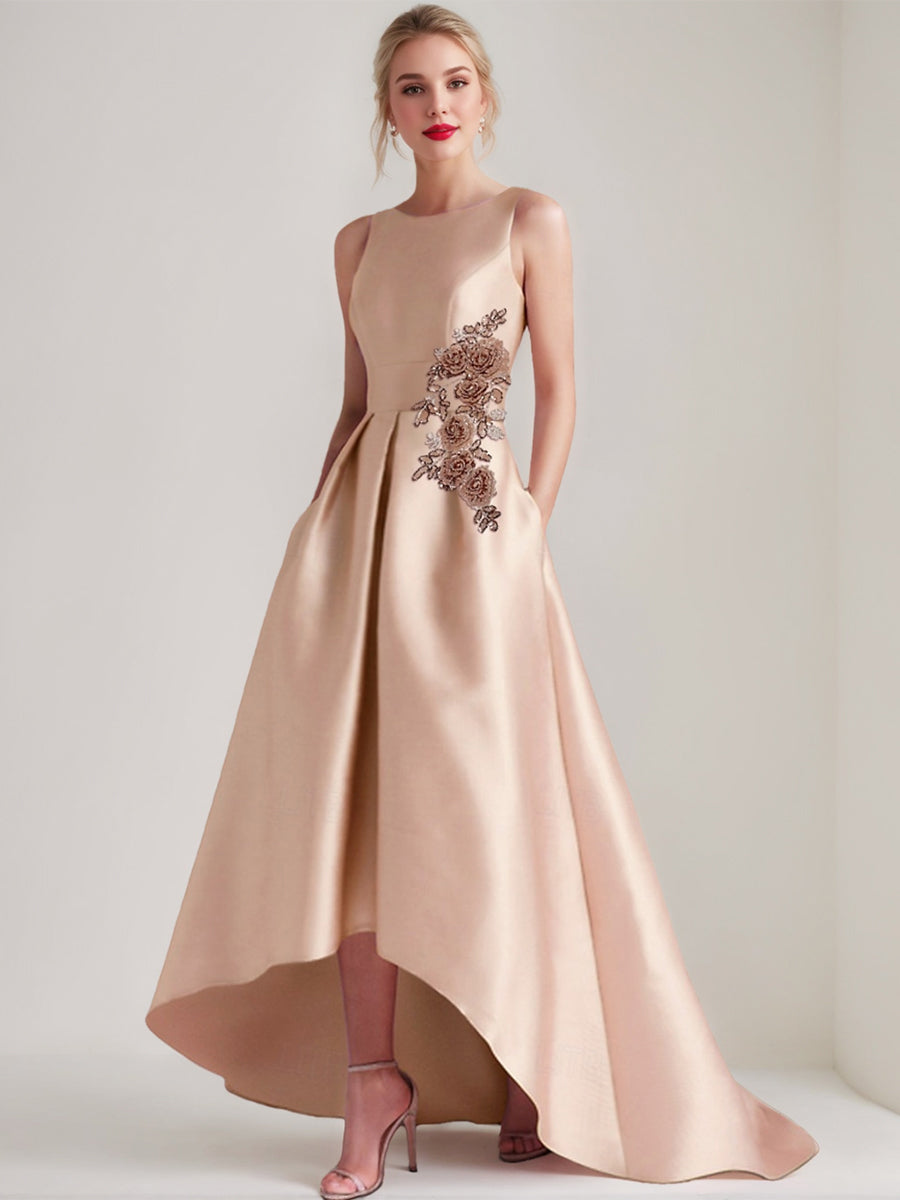
Crafted from lustrous fabric, it features a sleeveless bodice and a structured skirt that rises in the front to reveal elegant heels. Delicate floral embroidery at the waist adds a romantic touch, making it an excellent pick for formal dinners, cocktail weddings, or upscale garden events.
One-shoulder Half Sleeve Ankle-Length Mother of the Bride Dresses with Ruffles
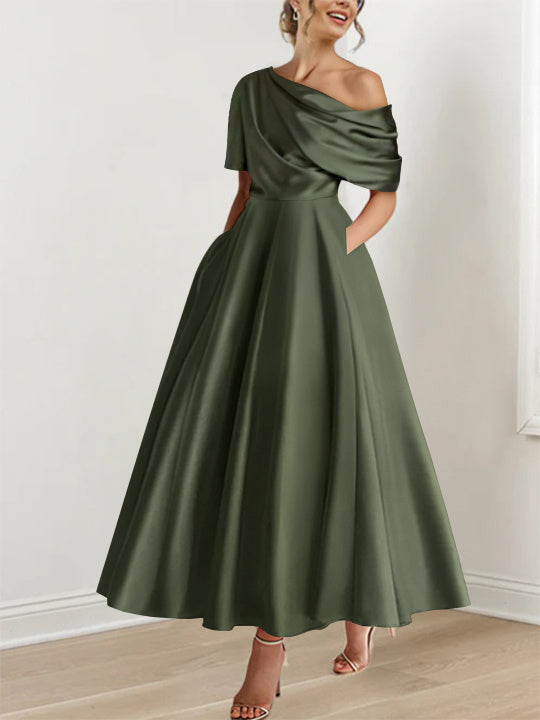
This elegant olive green gown is a refined choice for formal occasions. Featuring a sophisticated off-shoulder draped neckline and a full A-line silhouette, it flows gracefully to the floor with a subtle sheen. The structured bodice flatters the figure, while discreet side pockets add a modern, practical twist.
Mermaid Off-the-Shoulder Half Sleeves Mother Of The Bride & Groom Dresses
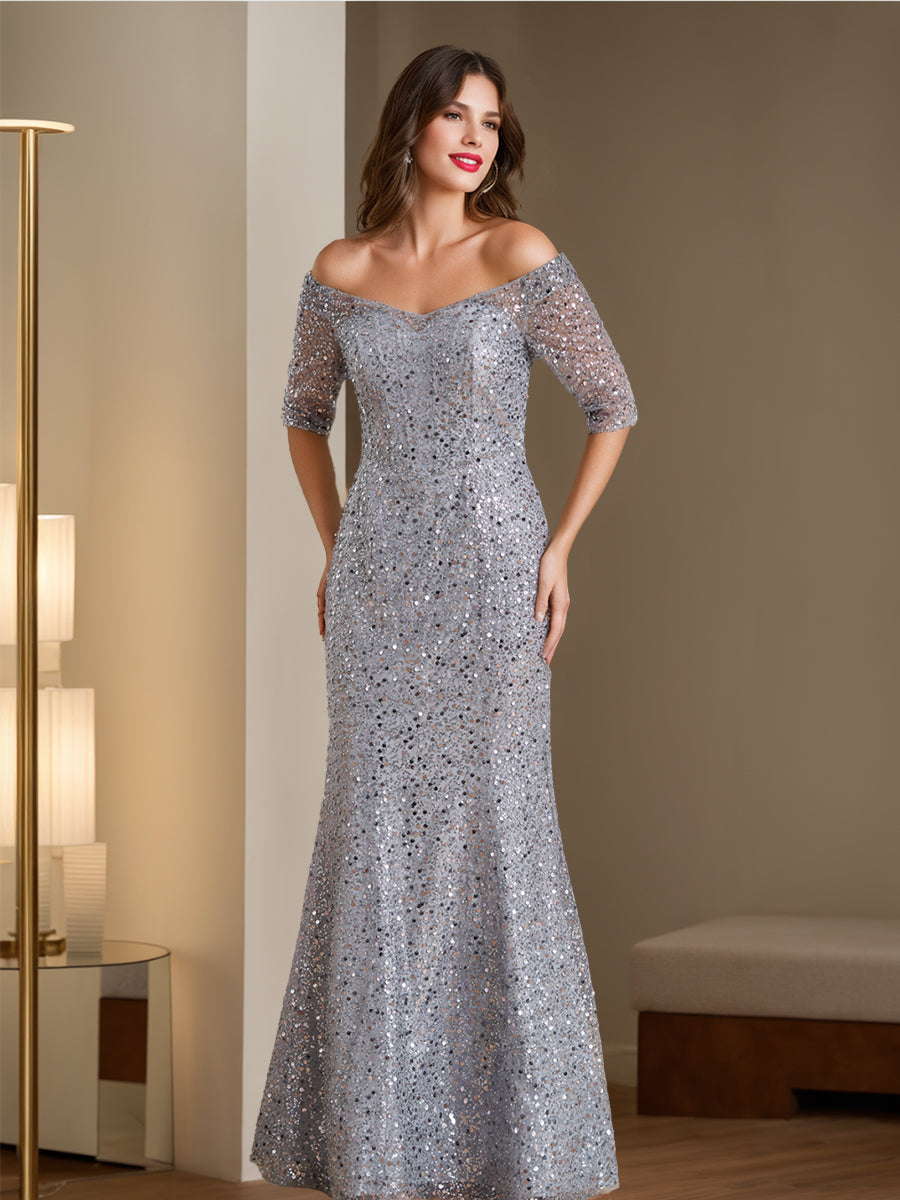
Make a dazzling entrance in this silver sequin gown, designed to shimmer under the lights. With its off-shoulder neckline and fitted silhouette, this dress hugs the body beautifully before subtly flaring at the hem.
When You’ll Typically See This Dress Code
Formal dress codes are most common for evening weddings or celebrations in upscale venues like ballrooms, historic estates, or country clubs. If the couple mentions black tie, a full-length gown is usually expected, and it’s the perfect time to wear something a little more glamorous than usual.
Understanding the Semi-Formal Dress Code
Semi-formal is one of the most common wedding dress codes, but it can also be one of the most confusing. It sits between cocktail and formal attire. The look should be dressy and thoughtful, but not as dramatic as a black-tie or formal gown.
For the mother of the bride, semi-formal attire means elegant but approachable. You can wear a midi dress, tea-length dress, dressy jumpsuit, polished separates, or even a simple full-length dress if the venue feels elevated.
Length
This is where you have real options. Any of the following can be appropriate:
- Knee-length — classic cocktail-dress territory, works especially well for daytime
- Midi (calf to below the knee) — currently one of the most elegant choices; sophisticated without being heavy
- Tea-length — sits between midi and floor, especially lovely for vintage-inspired or garden weddings
- Understated maxi or floor-length — can work in semi-formal settings if the fabric is lighter and the silhouette is simpler than a full formal gown
Fabrics
Semi-formal calls for lighter, more relaxed fabrics that still look put-together:
- Georgette — drapes beautifully, moves well, great for warm-weather ceremonies
- Jersey — comfortable and elegant in the right cut; avoid anything that clings awkwardly
- Lace — works perfectly at this formality level, particularly in midi lengths
- Chiffon — versatile across all formality levels; lighter-weight versions suit semi-formal settings
- Cotton-linen blends — for outdoor daytime ceremonies in warm months, a refined cotton blend is both appropriate and practical
Colors and Prints
Semi-formal opens the palette considerably. While formal weddings tend toward saturated jewel tones or deliberate metallics, semi-formal allows:
- Soft florals (particularly for garden or outdoor ceremonies)
- Pastels — blush, lavender, powder blue, mint
- Warm neutrals — sand, ivory-adjacent tones (with caveats — see the color rules below)
- Bright mid-tones — coral, terracotta, cobalt, soft orange for confident dressers
- Refined prints — small-scale florals or abstract patterns; avoid anything too loud or busy
Bold prints are more acceptable at semi-formal events than formal ones, but apply judgment: a wedding is still an occasion to complement rather than dominate.
Accessories
Semi-formal accessories can be softer and more relaxed than formal accessories. You still want to look polished, but you have more room for personality.
Consider:
- A small clutch or dressy handbag
- Block heels, wedges, or elegant flats
- Delicate earrings
- A soft shawl or cropped jacket
- Light metallic accents
If the dress is simple, accessories can help elevate the look. If the dress already has lace, shimmer, or embroidery, keep the accessories refined.
Semi-Formal Alternatives to Dresses
This is where many mothers feel unnecessarily restricted. A wide-leg jumpsuit in a quality fabric — crepe, chiffon, or satin — is entirely appropriate for semi-formal weddings and many formal ones too. It's comfortable, modern, and photographs beautifully.
A jacket dress (a fitted dress with a matching or coordinating blazer or jacket) is another excellent option, particularly suited to mothers who prefer more coverage or a more tailored silhouette. This style works at both semi-formal and formal levels.
Stylish separates — a silk blouse with wide-leg trousers in a matching fabric, for example — can work brilliantly at a relaxed semi-formal event, particularly for outdoor or vineyard weddings.
V-Neck Long Sleeve Mini Mother Of The Bride & Groom Dresses With Solid Color
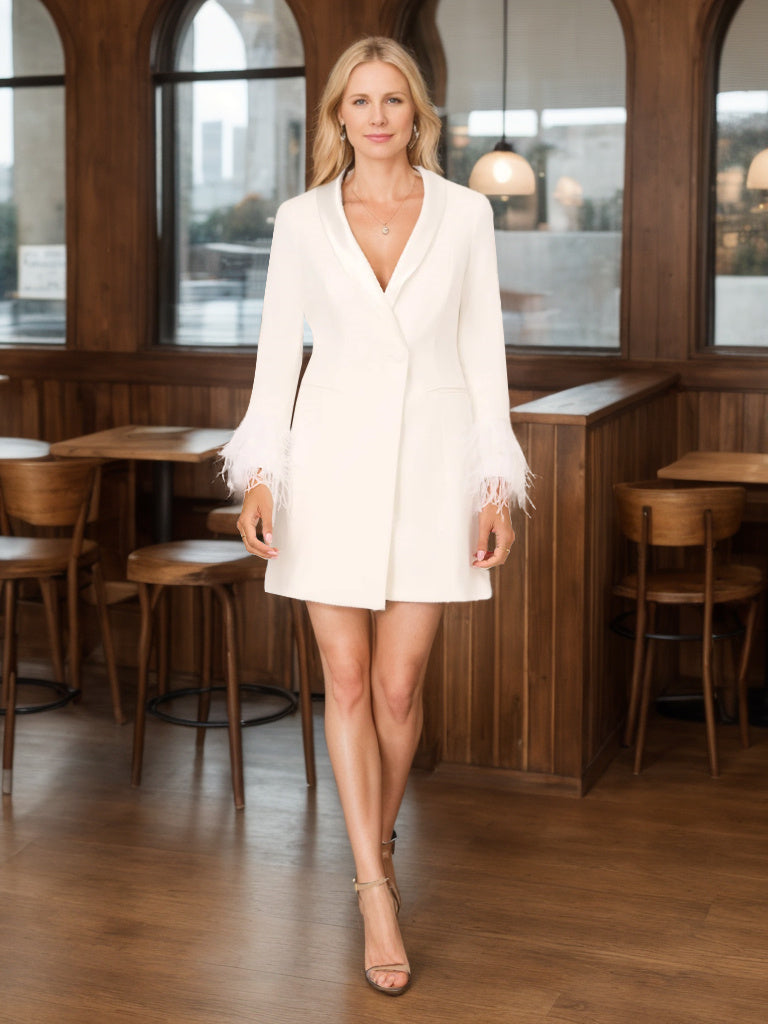
Chic and polished, this white mini dress puts a modern twist on the classic blazer. It’s cut with a sharp V-neckline, structured shoulders, and long sleeves finished with playful feathered cuffs.
Princess V-Neck Short Sleeves Floral Mother of the Bride Dresses with Embroidery
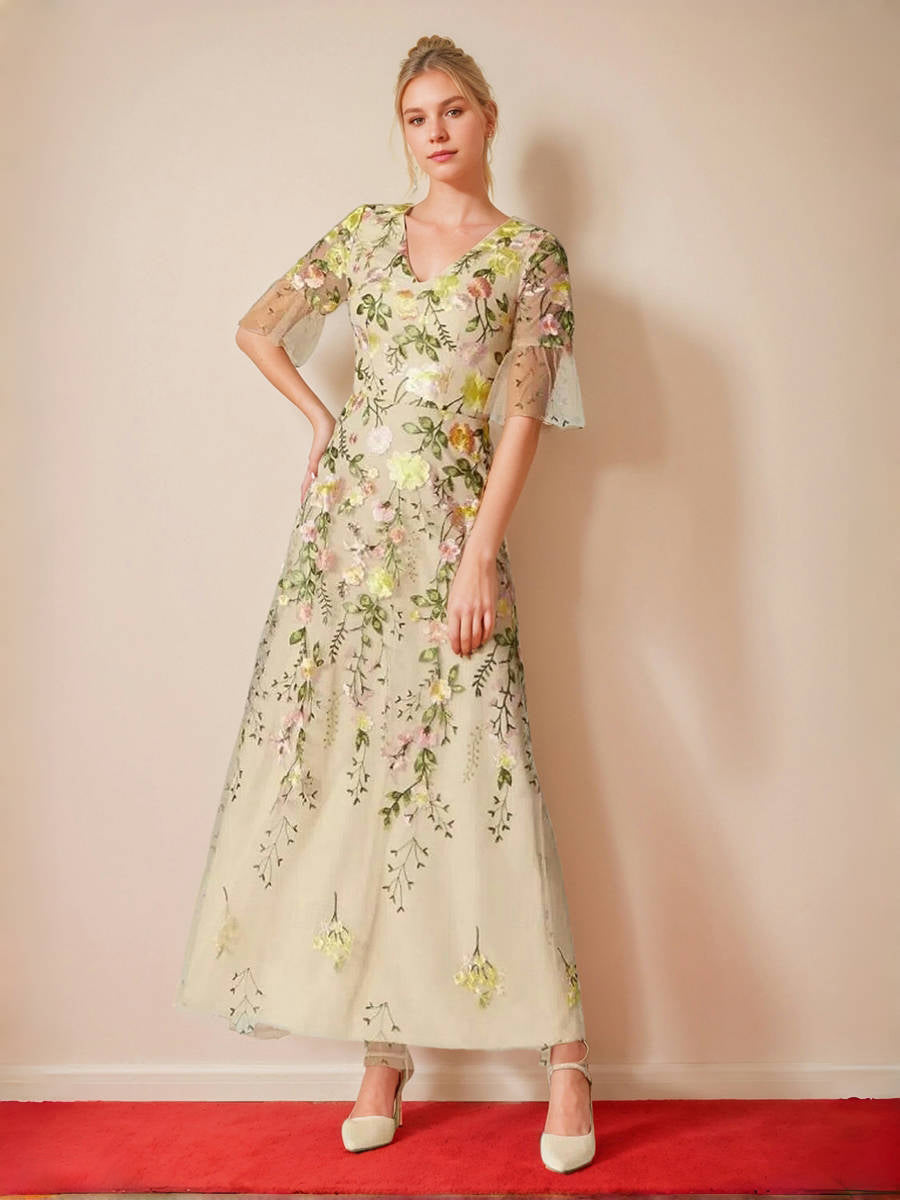
Romantic and light, this full-length gown is covered in delicate floral embroidery in soft greens, pinks, and yellows. It has a subtle V-neckline and sheer flutter sleeves that add a touch of charm.
Princess Sleeve Floral Asymmetrical Mother of the Bride Dresses
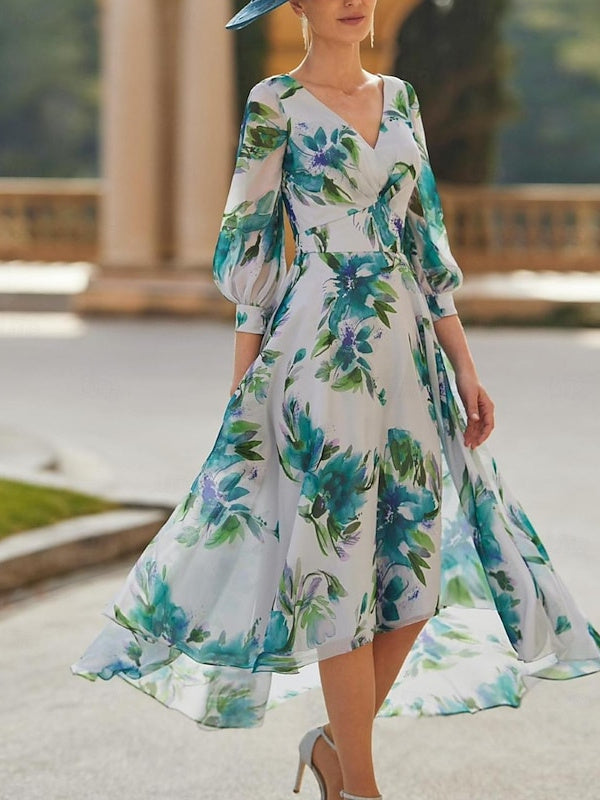
This dress has an elegant high-low hem that moves beautifully as you walk. It features a V-neckline, soft pleating at the waist, and floaty three-quarter puff sleeves. The fabric is lightweight and breezy, printed with bold teal and green florals on a pale base—perfect for making a graceful entrance.
When You’ll Typically See This Dress Code
Semi-formal dress codes are often chosen for daytime or early evening weddings. They’re especially common for events held in gardens, on the beach, at vineyards, or in more intimate venues. It’s still a celebration, just with a slightly easiergoing feel—perfect for an outfit that’s stylish, comfortable, and ready to dance.
Key Differences Between Formal and Semi-Formal Mother of the Bride Attire
The easiest way to understand the difference is to look at the overall level of elegance.
Formal attire is more elevated. It usually means longer dresses, richer fabrics, more refined accessories, and a more evening-ready look.
Semi-formal attire is still dressy, but it gives you more flexibility. Midi dresses, tea-length styles, lighter fabrics, florals, and dressy jumpsuits can all be appropriate.
Dress Length
Formal weddings usually favor floor-length gowns. Semi-formal weddings allow midi, tea-length, knee-length, and simpler long dresses.
Fabric
Formal attire leans toward satin, velvet, silk, structured crepe, lace, and embellished fabrics. Semi-formal attire works well with chiffon, georgette, soft lace, light satin, crepe, and refined prints.
Venue
A ballroom or luxury hotel usually calls for formal attire. A garden, beach, vineyard, restaurant, or intimate venue often suits semi-formal attire.
Time of Day
Evening weddings tend to feel more formal. Daytime or early evening weddings often lean semi-formal.
Embellishment
Formal dresses can include beading, sequins, embroidery, or dramatic draping. Semi-formal dresses should keep embellishment lighter and more balanced.
Color Rules Every Mother of the Bride Needs to Know
This section is non-negotiable. More outfit decisions go wrong here than anywhere else.
Colors to Avoid
White, ivory, and off-white — this is the most fundamental rule of wedding dressing. These shades are reserved for the bride. Unless the couple has explicitly asked you to wear white (unusual but not unheard of in modern weddings), avoid any shade that could be confused with bridal. This includes very pale champagne if it reads as white in photos.
Matching the bridal party — if the bridesmaids are in dusty rose, don't wear dusty rose. If they're in navy, don't wear navy. It creates visual confusion in photographs and makes it look as though you didn't coordinate. Choose a complementary shade that reads as distinctly different.
Upstaging the bride — this is a matter of spirit more than a specific color. If you're drawn to a dress that's more elaborate, more heavily embellished, or more dramatic than the bride's gown, reconsider. Your role is to look beautiful while keeping the focus on her.
Fully Acceptable colors
Black was once considered inappropriate for weddings, but that view is firmly outdated. Black is now one of the most elegant and sophisticated choices for formal and semi-formal events alike — especially for evening receptions. If the wedding has a black-tie or cocktail dress code, black is an excellent choice. To prevent any hint of sombreness, style it with warm accessories: a gold clutch, statement earrings, or a colorful wrap.
Champagne and gold — appropriate in most settings, but check with the bride if you're unsure, particularly if these shades could photograph as bridal.
Matching the groom's party — coordinating with the groomsmen is not required and often unnecessary, but if the couple requests it, a complementary tone (not an exact match) works well.
Can the Mother of the Bride Dress More Formal Than Guests?
Yes, the mother of the bride can often dress slightly more elevated than regular wedding guests. She is part of the immediate family and will appear in many important photos.
However, “more elevated” does not mean ignoring the dress code. If the wedding is semi-formal, the mother of the bride can choose a particularly polished tea-length dress, a refined midi, or a simple long chiffon gown. But a heavily beaded ballgown may feel too formal unless the couple approves it.
When in doubt, ask the bride or couple. A quick photo check before purchasing can prevent stress later.
How to Coordinate With the Bride, Bridal Party, and Mother of the Groom
The mother of the bride’s outfit should complement the wedding style without matching too closely or competing with the bride.
A few etiquette tips:
- Ask the bride about the wedding color palette.
- Avoid white, ivory, cream, or bridal-looking shades.
- Do not match the bridesmaids exactly unless requested.
- Coordinate with the mother of the groom so both looks feel balanced.
- Consider the venue, season, and photography backdrop.
- Choose a color that harmonizes with the wedding, not one that disappears into it.
Traditionally, the mother of the bride chooses her outfit first, then shares the color and formality level with the mother of the groom. Modern weddings are more flexible, but communication still helps both mothers look beautifully coordinated.
What Not to Wear as the Mother of the Bride
Whether the dress code is formal or semi-formal, a few choices are best avoided.
Avoid:
- White, ivory, or cream unless requested by the bride
- Anything that looks bridal
- Extremely casual sundresses
- Denim, sneakers, or flip-flops
- Club-style mini dresses
- Overly revealing cuts
- Heavy ballgowns for relaxed semi-formal weddings
- Colors that exactly match the bridesmaids unless planned
- Shoes that are too uncomfortable for a long day
The best mother of the bride outfit feels elegant, respectful, flattering, and comfortable.
Formal vs. Semi-Formal Outfit Ideas by Season
Spring Weddings
For formal spring weddings, choose soft chiffon, lace, or satin in champagne, dusty blue, rose, lavender, or sage. A floor-length gown with delicate sleeves or floral embroidery works beautifully.
For semi-formal spring weddings, a tea-length floral dress, soft midi dress, or pastel lace style feels fresh and appropriate.
Summer Weddings
Formal summer weddings call for breathable elegance. Lightweight chiffon, crepe, and satin blends are excellent choices. Sleeveless, short-sleeve, or off-the-shoulder gowns can work if they suit the venue.
For semi-formal summer weddings, consider airy midi dresses, floral prints, soft blues, blush tones, or dressy sandals.
Fall Weddings
Formal fall weddings look beautiful with rich colors such as burgundy, navy, plum, emerald, or bronze. Velvet, satin, and crepe feel seasonally elegant.
For semi-formal fall weddings, choose midi or tea-length dresses in mauve, forest green, slate blue, or warm neutrals.
Winter Weddings
Formal winter weddings are perfect for deeper shades, long sleeves, velvet, satin, and metallic accents.
For semi-formal winter weddings, a refined midi dress, lace sleeve dress, or polished jumpsuit with a wrap or jacket can feel both elegant and practical.
Choosing by the Time of Day
The dress code label on an invitation tells you the formality level, but the time of day tells you how to interpret it.
Daytime Ceremonies
Whether formal or semi-formal, daytime weddings call for lighter touches. That means:
- Lighter-weight fabrics: chiffon over heavy satin, georgette over velvet
- Brighter or softer colors rather than very dark palettes
- Less embellishment — subtle beading works; head-to-toe sequins feel misjudged in afternoon light
- Tea-length or midi lengths feel especially appropriate and proportional in natural daylight
Evening Ceremonies
Evening is when you can go fully into formal mode regardless of the label. Deeper colors, richer fabrics, more embellishment — all of this reads correctly after dark. If the invitation says semi-formal but the ceremony starts at 7pm in a city restaurant, dress toward the upper end of that range.
Cover-Ups, Jackets, and Wraps
Adding a layer over your main dress isn't a compromise — it's often what elevates an outfit from good to complete.
Structured jackets are ideal for cooler venues and formal settings. A well-tailored blazer or evening jacket in the same fabric family as your dress looks intentional and polished.
Boleros offer coverage while keeping the dress as the clear focal point. They work particularly well with strapless or thin-strap styles for mothers who prefer covered shoulders.
Silk or chiffon wraps and shawls are the most flexible option — they can be draped, tied, or removed entirely as the temperature changes. For outdoor summer ceremonies that move indoors for an air-conditioned reception, a wrap is a practical necessity.
Capes have become increasingly popular at formal weddings as a more dramatic alternative to a jacket. A floor-length cape over a simple column dress can be genuinely striking.
Shopping Tips for the Mother of the Bride
Start Early
Begin shopping at least three to six months before the wedding. If you need custom sizing or alterations, allow even more time.
Prioritize Fit
A well-fitted dress always looks more elegant than an expensive dress that does not fit properly. Tailoring is especially important for formal gowns.
Think About the Full Day
You may be standing, walking, sitting, hugging guests, taking photos, and dancing. Choose a dress and shoes that allow you to move comfortably.
Bring the Right Accessories
Try on your dress with shoes, shapewear, jewelry, and any jacket or wrap you plan to wear. This helps you see the complete look before the wedding day.
Frequently Asked Questions
What is the difference between formal and semi-formal for the mother of the bride?
Formal attire is dressier and usually calls for a floor-length gown, refined fabrics, and elevated accessories. Semi-formal attire is still polished but allows more flexibility, including midi dresses, tea-length dresses, dressy jumpsuits, and lighter fabrics.
Does the mother of the bride have to wear a long dress?
Not always. For formal weddings, a long dress is usually the safest choice. For semi-formal weddings, midi, tea-length, knee-length, or simple full-length dresses can all work.
Can the mother of the bride wear a short dress to a formal wedding?
A short dress is usually less common for a formal wedding. If you prefer a shorter length, choose a refined tea-length or ankle-length dress in an elegant fabric such as satin, lace, or structured crepe.
Can the mother of the bride wear a long dress to a semi-formal wedding?
Yes, but the dress should not feel too dramatic. A simple chiffon, crepe, or soft satin full-length dress can work well. Avoid heavy beading, trains, or ballgown shapes unless the venue is especially elegant.
Is semi-formal the same as cocktail attire?
They are similar and often overlap. Cocktail attire can feel slightly more party-ready, while semi-formal usually emphasizes polished elegance. For the mother of the bride, both dress codes work well with midi, tea-length, or refined knee-length dresses.
Is formal the same as black tie?
Not exactly. Black tie is more specific and traditionally more elevated. Formal attire sits close to black tie or black-tie optional, but it may allow a little more flexibility depending on the wedding venue and couple’s expectations.
What colors should the mother of the bride avoid?
Avoid white, ivory, cream, and anything that looks too bridal. It is also best to avoid matching the bridesmaids exactly unless the bride requests it.
Should the mother of the bride match the mother of the groom?
They do not need to match, but they should coordinate. Both outfits should feel similar in formality and should complement the wedding color palette.
What should the mother of the bride wear to the rehearsal dinner?
The rehearsal dinner is typically semi-formal to cocktail, depending on the venue. A midi dress, a refined jumpsuit, or a smart jacket-and-trouser combination all work well. It's a separate event from the wedding, so there's no need to match your wedding outfit — but it should still look polished and celebratory.
Final Thoughts
Understanding formal vs. semi-formal dress codes makes shopping for a mother of the bride dress much easier. A formal wedding usually calls for a more elevated look: longer length, luxurious fabric, and refined accessories. A semi-formal wedding allows more flexibility with midi, tea-length, floral, or softly structured styles.
The best choice is one that honors the couple’s vision, suits the venue, photographs beautifully, and lets you feel comfortable and confident throughout the day. For such an important celebration, your outfit should feel elegant, thoughtful, and completely right for the moment.


